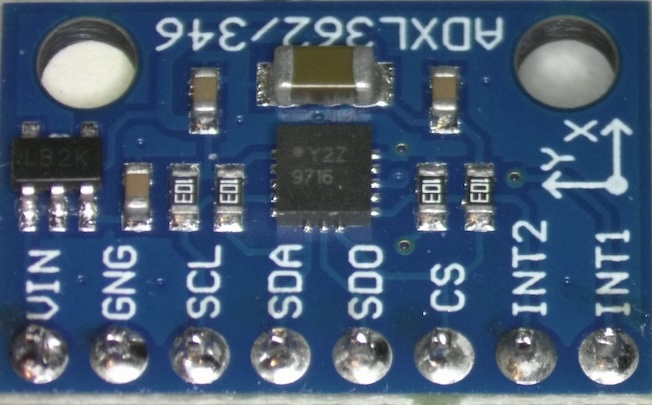
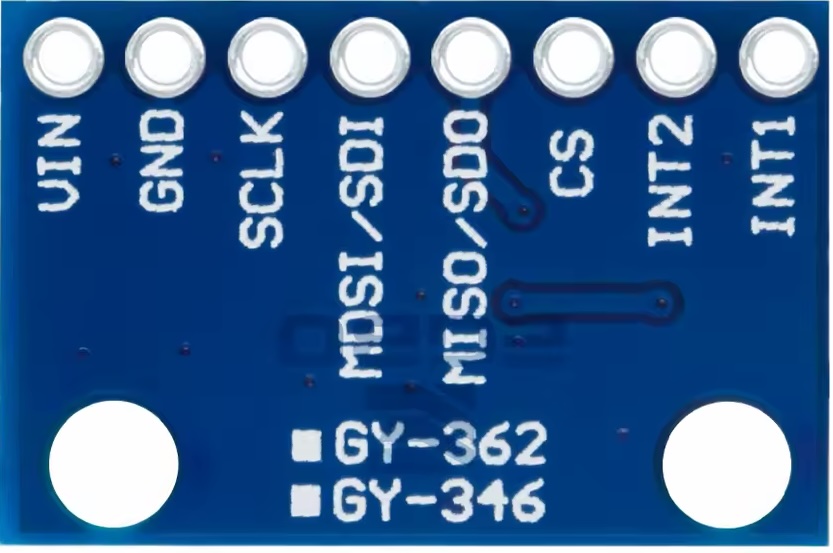
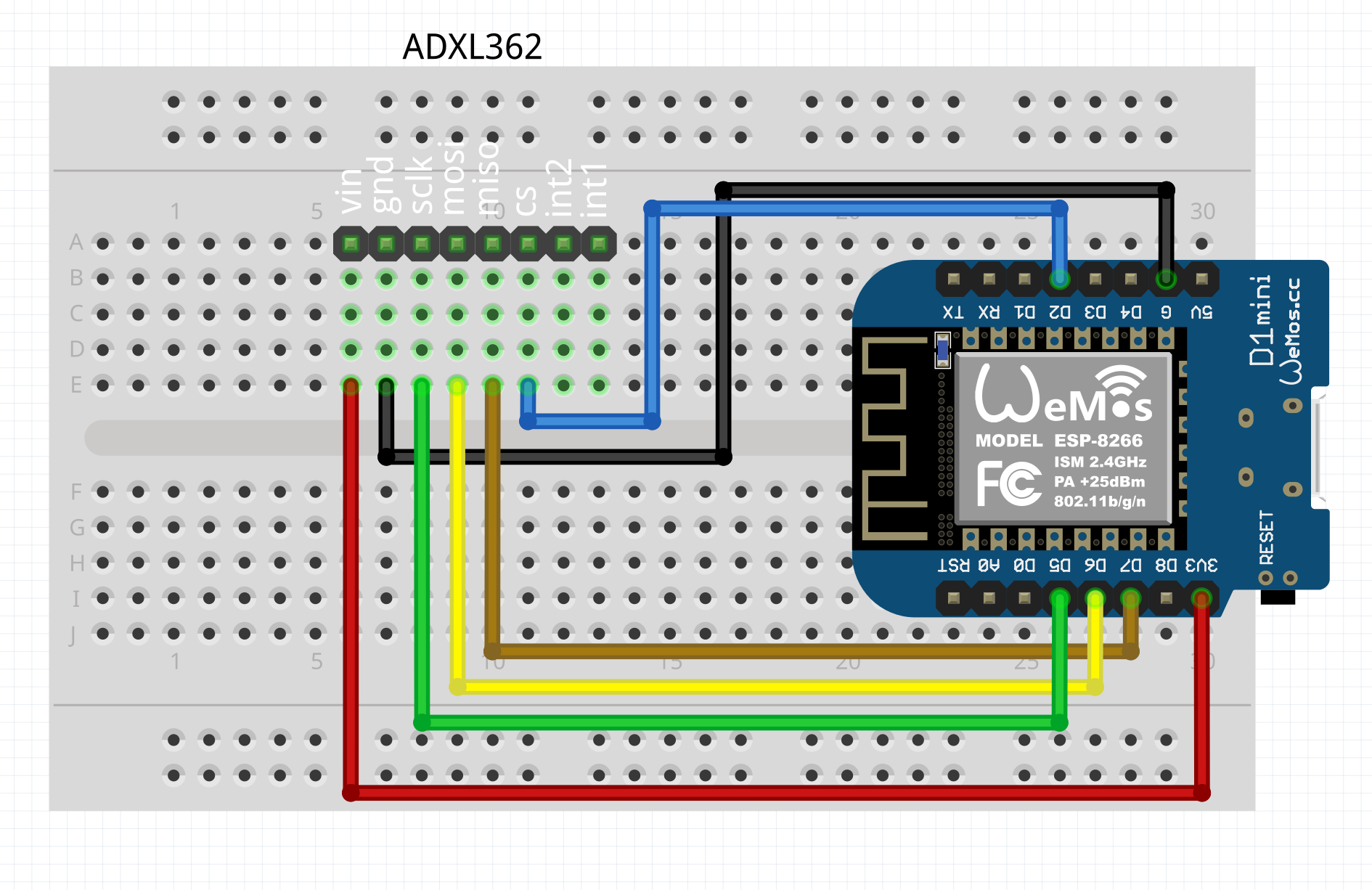
| ⚡ Ultra-low power operation |
~270 nA standby, ~3 µA measurement mode |
One of the lowest-power accelerometers ever made → ideal for battery devices that must run for months/years |
| 💤 Always-on motion sensing |
Can monitor motion while “sleeping” |
Lets devices stay in deep sleep and wake only when movement is detected |
| 🎯 Motion + inactivity detection |
Built-in threshold and timer-based triggers |
No need for constant MCU polling → saves power and simplifies firmware |
| 📦 Internal FIFO buffer |
Stores up to 512 acceleration samples |
Reduces MCU workload and prevents data loss during bursts of motion |
| 🔌 Fully digital SPI output |
Direct digital communication |
No ADC noise, better stability, easier integration than analog sensors |
| 🚀 Fast wake-up time |
Microsecond-level wake from sleep |
Ideal for shock, tap, or impact detection systems |
| 🌡 Built-in temperature sensor |
Basic internal temperature readout |
Useful for drift compensation and environmental awareness |
| 📉 Low noise density |
Stable low-frequency output |
Good for tilt detection and slow movement tracking |
| 🧠 Embedded event engine |
Hardware-based motion logic |
Reduces firmware complexity and CPU usage |
| 🔋 Efficient duty cycling |
Designed for long idle periods |
Enables multi-year battery life in IoT sensors |